
TikTok is the most effective social platform for restaurant marketing today, converting passive viewers into paying customers at a rate no other channel currently matches. Over 55% of TikTok users visit a restaurant after seeing its menu content on the platform. That number alone reframes TikTok from an entertainment app into a direct revenue channel. Restaurants using TikTok consistently report measurable lifts in foot traffic, reservations, and brand recognition, particularly among Gen Z diners who now treat TikTok as their primary discovery tool. This guide explains exactly why TikTok works for restaurant marketing, what content performs, and how to turn views into full tables.
Why TikTok works for restaurant marketing differently than other platforms
TikTok’s algorithm is built around content performance, not follower count. A restaurant with 200 followers can reach 200,000 local viewers if the video earns strong early engagement. That is a structural advantage no other major platform offers at the same scale. Instagram and Facebook prioritize accounts with established audiences. TikTok prioritizes content that people actually watch, share, and react to.
The platform’s content preferences also align naturally with food. Food content on TikTok triggers what researchers call “visual hunger,” a strong emotional response to watching food being prepared or consumed. The #food hashtag alone has accumulated over 100 billion views. That level of organic interest means restaurants are not fighting for attention in a crowded ad environment. They are feeding an existing appetite.
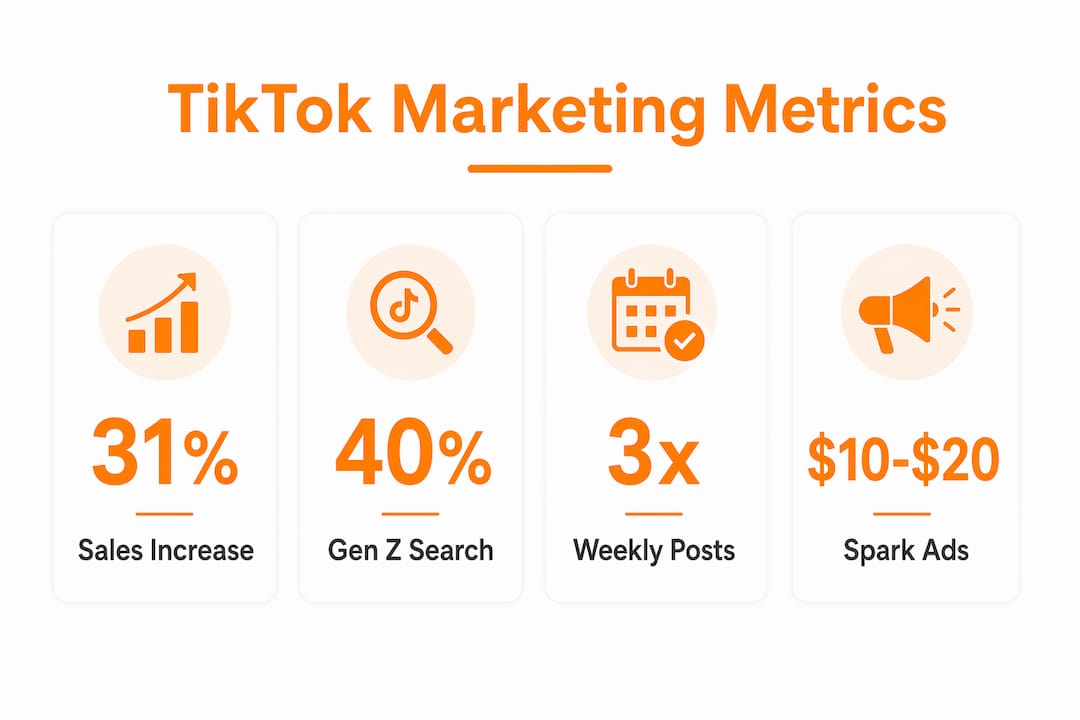
Over 40% of Gen Z now uses TikTok as their primary search tool for local restaurants, bypassing Google and Yelp entirely. This behavioral shift is significant. It means a restaurant’s TikTok presence is no longer optional for reaching younger diners. It is the first place they look.
TikTok also functions as part of a broader discovery signal stack, influencing AI-powered local search results and integrating social activity with organic SEO. A strong TikTok presence can lift a restaurant’s visibility across Google Business Profile, Google Maps, and local search results simultaneously.
Key reasons TikTok outperforms other platforms for restaurants:
- Algorithm equity: New accounts can go viral without a large following
- Local targeting: TikTok distributes content based on device location and hashtags automatically
- Emotional content fit: Food visuals perform exceptionally well in short-form video format
- Gen Z discovery behavior: Younger diners search TikTok before Google or Yelp
- Conversion proximity: Viewers can click directly to booking links or menus without leaving the app
Pro Tip: Post your TikTok videos directly within the app rather than using third-party scheduling tools. Direct in-app posting maximizes organic reach because TikTok’s algorithm gives native posts priority distribution.
What types of content actually drive results for restaurants
The content formats that perform best on TikTok share one quality: they feel real. Authentic, phone-shot videos with personality consistently outperform polished, agency-produced ads. Viewers scroll past anything that feels like a commercial. They stop for content that feels like a friend’s recommendation.
The highest-performing restaurant content categories break down as follows:
- Dish preparation close-ups: Slow pours, cheese pulls, sizzling pans, and plating reveals trigger visual hunger and earn high completion rates
- Behind-the-scenes clips: Chef routines, prep kitchen moments, and staff personality videos build trust and humanize the brand
- Customer reaction videos: Genuine first-bite reactions and table moments create social proof without scripting
- Cultural and educational content: Explaining the origin of a dish or the sourcing of an ingredient adds depth that earns saves and shares
- Trend participation: Using trending sounds and formats while keeping the content food-focused extends reach to non-followers rapidly
For structure, the data is clear. Videos between 15 and 30 seconds with a strong one-to-two second hook at the start perform best for restaurant content. The hook is the most important element. If the first two seconds do not stop the scroll, the rest of the video does not matter.
Here is a practical content sequence that works well for most restaurants:
- Hook (0-2 seconds): Show the most visually striking moment first. A cheese pull, a flame, a dramatic pour.
- Context (3-10 seconds): Name the dish, the occasion, or the story behind it. Keep it brief.
- Sensory detail (10-25 seconds): Show texture, sound, and color. Let the food speak.
- Call to action (final 3 seconds): Direct viewers to the link in bio, a reservation platform like OpenTable, or a specific menu item.
Posting three videos per week with trending sounds produces more consistent engagement and increases the probability of a breakout video. Consistency matters more than perfection on TikTok.
How to measure and optimize TikTok marketing effectiveness
Measuring TikTok’s impact requires tracking beyond vanity metrics like views and likes. The metrics that connect directly to revenue are profile visits, link clicks, and reservation completions. Views are the top of the funnel. Profile visits indicate intent. Link clicks and bookings confirm conversion.
| Metric | What it measures | Why it matters |
|---|---|---|
| Video views | Reach and content appeal | Indicates how broadly TikTok is distributing your content |
| Profile visits | Viewer intent | Shows how many viewers wanted to learn more after watching |
| Link clicks | Conversion intent | Tracks movement from TikTok to your booking page or menu |
| Follower growth rate | Audience building | Reflects sustained interest beyond individual videos |
| Google Business Profile calls | Offline conversion | Measures TikTok’s effect on real-world inquiries and visits |
Restaurants that correlate TikTok activity with Google Business Profile data report a 31% increase in comparable sales and 20% growth in traffic within three months. That correlation is the clearest evidence that TikTok drives real-world results, not just digital engagement.
Paid amplification through TikTok Spark Ads adds another layer of measurable impact. Spark Ads that boost organic content from customers or staff outperform traditional paid ads because they preserve the authentic, native feel that TikTok audiences respond to. A monthly budget of $200 to $500 combined with consistent organic posting produces measurable booking increases, particularly in tourist-heavy markets. Conversion rates from views to reservations range from 0.5% to 1.5%, which is competitive with most paid digital channels at a fraction of the cost.
Pro Tip: Connect your TikTok profile to your Google Business Profile and use location-specific hashtags in every post. This combination feeds TikTok activity into local SEO signals, lifting your restaurant’s visibility across both platforms simultaneously.
How TikTok compares to other restaurant marketing strategies
TikTok is not a replacement for every marketing channel. It is a distinct tool with specific strengths and one real limitation: content volume. Understanding where TikTok outperforms and where it complements other channels helps you allocate budget and effort correctly.
| Channel | Organic reach potential | Cost to start | Conversion speed | Content volume required |
|---|---|---|---|---|
| TikTok | Very high (algorithm-driven) | Low | Fast (days to weeks) | High (3+ videos/week) |
| Moderate (follower-dependent) | Low to medium | Moderate | Moderate | |
| Google Ads | Low (paid only) | Medium to high | Fast | Low |
| Traditional print/radio | Low | High | Slow | Low |
| Email marketing | High (list-dependent) | Low | Moderate | Low to moderate |
TikTok’s organic reach potential is unmatched for restaurants with limited budgets. The tradeoff is content production. Three or more videos per week is a real commitment for a team already running a kitchen. The solution most successful restaurant operators use is batching. Shoot five to seven short clips in one session, then post them across the week. The video marketing value compounds over time as your library grows and the algorithm learns your audience.
Instagram remains valuable for polished photography and Stories, but it does not surface content to non-followers at the same rate TikTok does. Running both platforms with different content strategies, raw and personality-driven on TikTok, curated and visual on Instagram, produces better results than trying to repurpose the same content across both.
Practical steps to launch TikTok marketing for your restaurant
Getting started on TikTok does not require a production team or a large budget. It requires a phone, a clear strategy, and consistency.
-
Set up your account with local intent. Use your restaurant’s name, city, and neighborhood in your bio. Add your address and a direct link to your reservation platform or menu. OpenTable, Resy, and direct booking links all work well here.
-
Tag your location on every post. TikTok’s local algorithm uses device location, network data, and explicit location tags to distribute content to nearby viewers. Skipping the location tag reduces your local reach.
-
Build a content calendar with three themes. Rotate between dish features, behind-the-scenes moments, and trend participation. This prevents content fatigue and keeps your feed varied without requiring constant creative ideation.
-
Partner with micro and nano influencers. Local food creators with 1,000 to 50,000 followers typically deliver higher engagement rates than larger accounts. Invite them for a meal, give them creative freedom, and ask permission to boost their post as a Spark Ad. The influencer partnership approach works especially well for new restaurant openings and seasonal menu launches.
-
Optimize your call to action. Every video should direct viewers somewhere specific. “Link in bio for reservations” is clear. “Book our tasting menu before Friday” is better. Specificity drives clicks.
-
If you operate multiple locations, create separate accounts for each. Managing individual accounts per neighborhood maintains local algorithmic relevance. A single account for a multi-location brand confuses TikTok’s distribution logic and reduces local reach for each location.
Pro Tip: Repost your best-performing organic TikToks as Spark Ads with a $10 to $20 daily budget for seven days. This tests paid amplification at low risk and surfaces which content types convert before you commit larger spend.
Key takeaways
TikTok works for restaurant marketing because its algorithm rewards authentic food content with local distribution, converting viewers into diners at rates that outpace most traditional and digital channels.
| Point | Details |
|---|---|
| Algorithm equity drives reach | TikTok surfaces content to non-followers based on engagement, giving small restaurants access to large local audiences. |
| Authenticity outperforms polish | Raw, phone-shot videos with personality consistently outperform produced ads on TikTok. |
| Local discovery is built in | Location tags and in-app posting trigger TikTok’s local distribution, reaching nearby diners automatically. |
| Measurement connects to revenue | Tracking profile visits, link clicks, and Google Business Profile calls reveals TikTok’s direct impact on bookings. |
| Paid and organic work together | Spark Ads boosting organic content at $200 to $500 per month produce measurable reservation increases. |
What I’ve learned watching restaurants win and lose on TikTok
I have watched restaurants with exceptional food struggle on TikTok and watched average kitchens build genuine followings. The difference is almost never the food. It is the willingness to show up consistently and let the platform’s culture shape the content.
The most common mistake I see is treating TikTok like a broadcast channel. Restaurants post a promotional video about a new menu item, get 300 views, and conclude that TikTok does not work for them. That is not a TikTok failure. That is a content strategy failure. TikTok rewards participation in its culture, not interruption of it.
The second mistake is giving up after six weeks. TikTok’s algorithm takes time to learn your content and your audience. Most restaurants that see real traction hit their first breakout video between weeks eight and twelve. The operators who quit at week five never find out what was possible.
What I find genuinely exciting about TikTok in 2026 is its evolution from an awareness channel into a conversion channel. The user-generated content dynamic on TikTok means your customers become your marketing team when you give them experiences worth filming. That is a compounding asset. Every customer who posts about your restaurant extends your reach without adding to your content workload.
The restaurants that will win the next three years are the ones building TikTok presence now, before their competitors figure out the playbook.
— Derek
How The Artist Evolution helps restaurants build TikTok-ready brands
A strong TikTok presence starts with a clear brand story. Without one, even the most visually compelling videos fail to build lasting recognition or loyalty. Theartistevolution works with restaurants to develop the brand narrative, visual identity, and content strategy that makes TikTok marketing land. From brand story development to full campaign management, the team builds and executes marketing programs that connect social media activity to measurable business outcomes. If you are ready to turn TikTok views into full tables and repeat customers, Theartistevolution has the tools and track record to make it happen.
FAQ
Why does TikTok work better than Instagram for restaurants?
TikTok distributes content to non-followers based on engagement, while Instagram prioritizes accounts with established audiences. This means a new restaurant can reach thousands of local viewers on TikTok without a large following.
How often should a restaurant post on TikTok?
Posting three videos per week with trending sounds produces the most consistent engagement and increases the likelihood of a breakout video, according to current platform data.
What TikTok content format converts best for restaurant bookings?
Videos between 15 and 30 seconds featuring a strong visual hook in the first two seconds perform best. Dish preparation close-ups and behind-the-scenes clips consistently drive the highest engagement and conversion rates.
How much should a restaurant spend on TikTok ads?
A monthly budget of $200 to $500 combined with consistent organic content produces measurable booking increases, particularly when using Spark Ads to amplify existing organic posts rather than running traditional paid ads.
Does TikTok actually bring customers through the door?
Yes. Over 55% of TikTok users report visiting a restaurant after seeing its content on the platform, and restaurants correlating TikTok activity with Google Business Profile data report a 31% increase in comparable sales within three months.